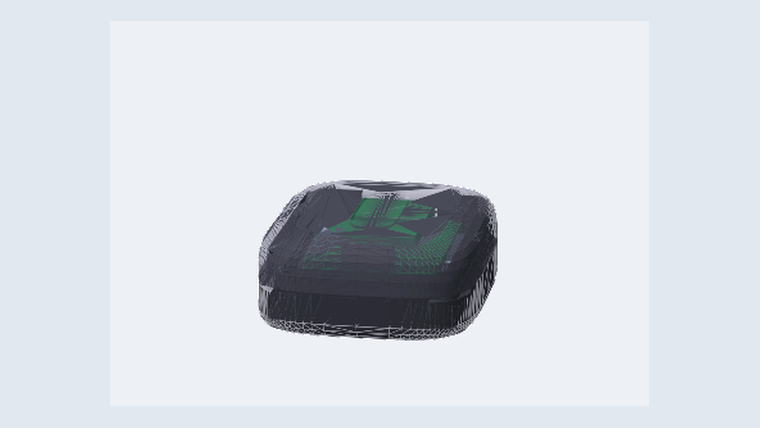
The first line stays parent-simple. Expand any card for the deeper coach layer and graph preview.
Measured01
Sport metric
Cadence
Helps compare pacing consistency and form drift.
Feature / Function / Benefit
- Feature
- Step rhythm
- Function
- Reads step pattern across the run.
- Benefit
- Helps compare pacing consistency and form drift.
- Confidence
- Directly read from the motion sensor or session clock.
Graph view
Metric page
Measured02
Sport metric
Rep consistency
Shows which reps looked reliable and which changed.
Feature / Function / Benefit
- Feature
- Workout repeatability
- Function
- Compares repeats inside intervals or hills.
- Benefit
- Shows which reps looked reliable and which changed.
- Confidence
- Directly read from the motion sensor or session clock.
Graph view
Metric page
Measured03
Sport metric
Terrain/context note
Keeps race and workout comparisons honest.
Feature / Function / Benefit
- Feature
- Session conditions
- Function
- Pairs coach or parent notes with motion trace.
- Benefit
- Keeps race and workout comparisons honest.
- Confidence
- Directly read from the motion sensor or session clock.
Graph view
Metric page
Measured04
Core engine
Movement consistency
Shows whether the athlete is becoming more repeatable in their own work.
Feature / Function / Benefit
- Feature
- Repeatability
- Function
- Compares how similar reps, bursts, jumps, or swings look over time.
- Benefit
- Shows whether the athlete is becoming more repeatable in their own work.
- Confidence
- Directly read from the motion sensor or session clock.
Graph view
Metric page
Measured05
Core engine
Personal best marker
Creates a parent-friendly story without ranking kids against teammates.
Feature / Function / Benefit
- Feature
- Best-session highlight
- Function
- Flags the best effort in the athlete's own history for that metric.
- Benefit
- Creates a parent-friendly story without ranking kids against teammates.
- Confidence
- Directly read from the motion sensor or session clock.
Graph view
Metric page
Measured06
Core engine
Session load
Gives parents and coaches one clean read on how hard the session moved.
Feature / Function / Benefit
- Feature
- Whole-session workload
- Function
- Aggregates movement, bursts, jumps, impacts, and intensity windows.
- Benefit
- Gives parents and coaches one clean read on how hard the session moved.
- Confidence
- Directly read from the motion sensor or session clock.
Graph view
Metric page
Estimated07
Sport metric
Fade score
Makes fatigue shape visible without claiming medical readiness.
Feature / Function / Benefit
- Feature
- Late-run change
- Function
- Compares early and late motion output.
- Benefit
- Makes fatigue shape visible without claiming medical readiness.
- Confidence
- Calculated from motion patterns; calibration and placement matter.
Graph view
Metric page
Estimated08
Sport metric
Pacing discipline
Shows whether the athlete stayed smooth or surged unevenly.
Feature / Function / Benefit
- Feature
- Effort steadiness
- Function
- Compares hard and easy windows against the workout goal.
- Benefit
- Shows whether the athlete stayed smooth or surged unevenly.
- Confidence
- Calculated from motion patterns; calibration and placement matter.
Graph view
Metric page
Estimated09
Sport metric
Stride efficiency proxy
Gives coaches a review cue for form conversations.
Feature / Function / Benefit
- Feature
- Smoothness
- Function
- Looks for wasted-motion patterns and rhythm noise.
- Benefit
- Gives coaches a review cue for form conversations.
- Confidence
- Calculated from motion patterns; calibration and placement matter.
Graph view
Metric page
Estimated10
Core engine
ACWR trend
Helps teams discuss training dose without making readiness or injury claims.
Feature / Function / Benefit
- Feature
- Acute-to-chronic workload
- Function
- Compares recent load against a longer training baseline.
- Benefit
- Helps teams discuss training dose without making readiness or injury claims.
- Confidence
- Calculated from motion patterns; calibration and placement matter.
Graph view
Metric page
Estimated11
Core engine
Fatigue shape
Helps coaches see where the session changed instead of only seeing totals.
Feature / Function / Benefit
- Feature
- Output drop-off
- Function
- Compares early-session output against later-session output.
- Benefit
- Helps coaches see where the session changed instead of only seeing totals.
- Confidence
- Calculated from motion patterns; calibration and placement matter.
Graph view
Metric page
Estimated12
Core engine
Reaction cue
Useful for starts, first-step work, and practice drills.
Feature / Function / Benefit
- Feature
- Start response
- Function
- Measures time from a coach/app marker to first clear motion.
- Benefit
- Useful for starts, first-step work, and practice drills.
- Confidence
- Calculated from motion patterns; calibration and placement matter.
Graph view
Metric page
Estimated13
Core engine
Training monotony
Makes stale or unusually repetitive training blocks easier to spot.
Feature / Function / Benefit
- Feature
- Routine variation
- Function
- Looks for repeated same-intensity patterns across sessions.
- Benefit
- Makes stale or unusually repetitive training blocks easier to spot.
- Confidence
- Calculated from motion patterns; calibration and placement matter.
Graph view
Metric page
In Testing14
Sport metric
Pacing context
Useful for practice context, not official course measurement.
Feature / Function / Benefit
- Feature
- Stride-calibrated rhythm
- Function
- Uses calibrated stride patterns when GPS is not the source.
- Benefit
- Useful for practice context, not official course measurement.
- Confidence
- Validation workflow or roadmap metric that still needs field testing.
Graph view
Metric page